Subordinating Conjunctions
Subordinating conjunctions introduce dependent clauses, which cannot stand alone as complete sentences. Here are some common examples:
- Time: after, before, since, while, when, whenever, as soon as, until, as long as
- Cause and Effect: because, since, as, so that
- Contrast: although, though, even though, whereas, while
- Condition: if, unless
- Manner: as, as if, as though
- Place: where, wherever
Conjunctive Adverbs
Conjunctive adverbs connect independent clauses, showing the relationship between the ideas expressed in each clause. They are often used with a semicolon and a comma.
- Addition: additionally, furthermore, moreover, besides, also, too
- Contrast: however, nevertheless, nonetheless, on the other hand, conversely
- Cause and Effect: therefore, thus, hence, consequently, as a result
- Time: then, next, afterward, meanwhile, simultaneously
- Similarity: similarly, likewise
- Emphasis: indeed, certainly, truly, in fact
- Example: for example, for instance, specifically
Transitional Phrases
Transitional phrases are used to connect ideas between sentences and paragraphs. Here are some common examples:
- To add information: in addition, furthermore, moreover, besides, also, too
- To contrast ideas: however, nevertheless, on the other hand, conversely, in contrast
- To show cause and effect: therefore, thus, hence, consequently, as a result
- To show time: then, next, afterward, meanwhile, simultaneously
- To show sequence or order: first, second, third, finally, next, lastly
- To emphasize: indeed, certainly, truly, in fact
- To give an example: for example, for instance, specifically
- To summarize: in summary, in conclusion, in short, to summarize
Must Read
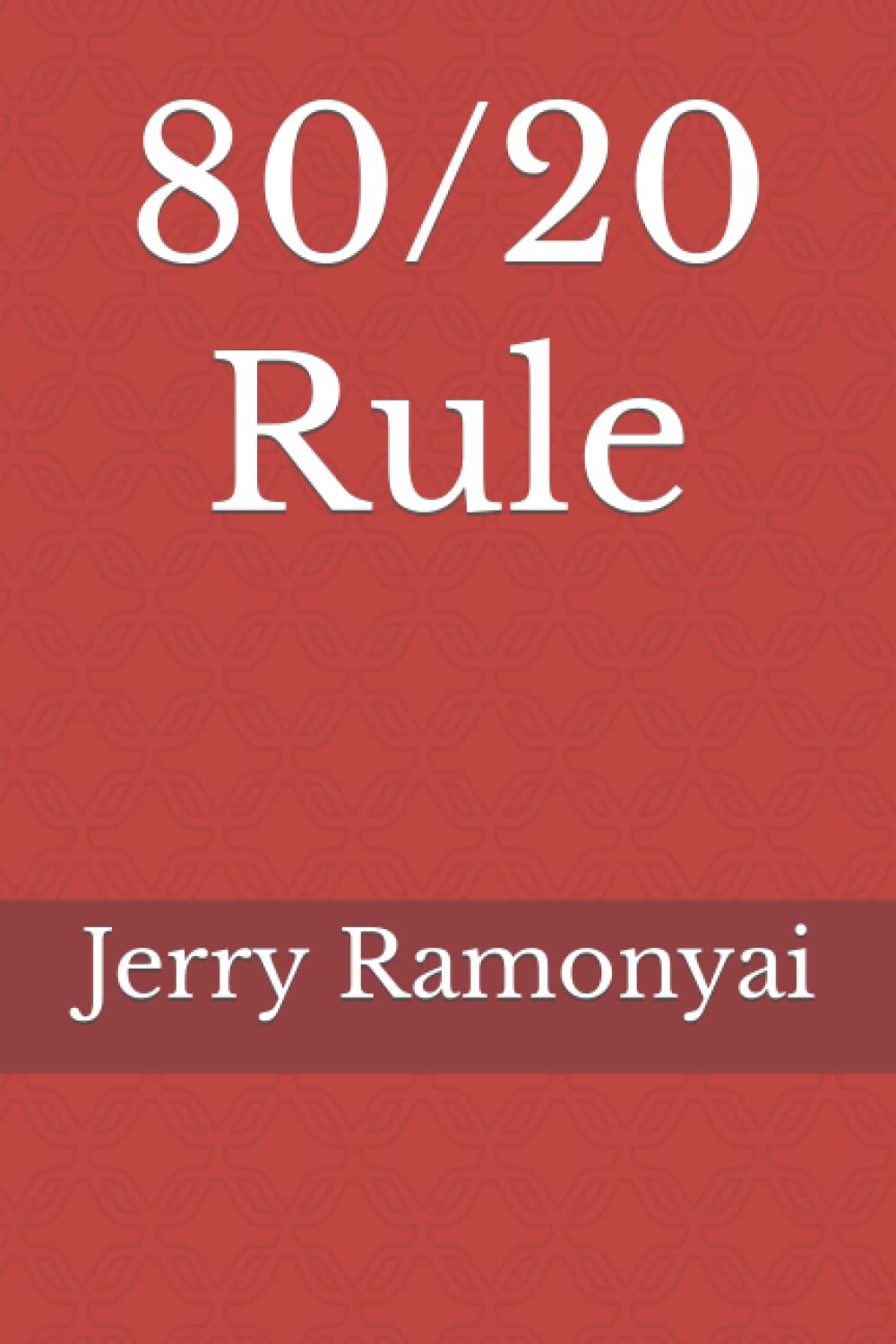
By Jerry Ramonyai
80/20 Rule: Social Growth, Leadership, Management, Self Improvement, Success, Interpersonal Skills,TR6 Communication, Personality, Effectiveness, Intelligence, Mindfulness and Relationships.
YouTube Channel
Success AnalytiX


No comments:
Post a Comment